Drawings for a passion project born out of both love and worry - Fabearth.
As a researcher of culture and the environment, and as a parent raising a young child in an increasingly uncertain world, I and my husband found ourselves asking a question familiar to many: What kind of planet are we leaving behind?
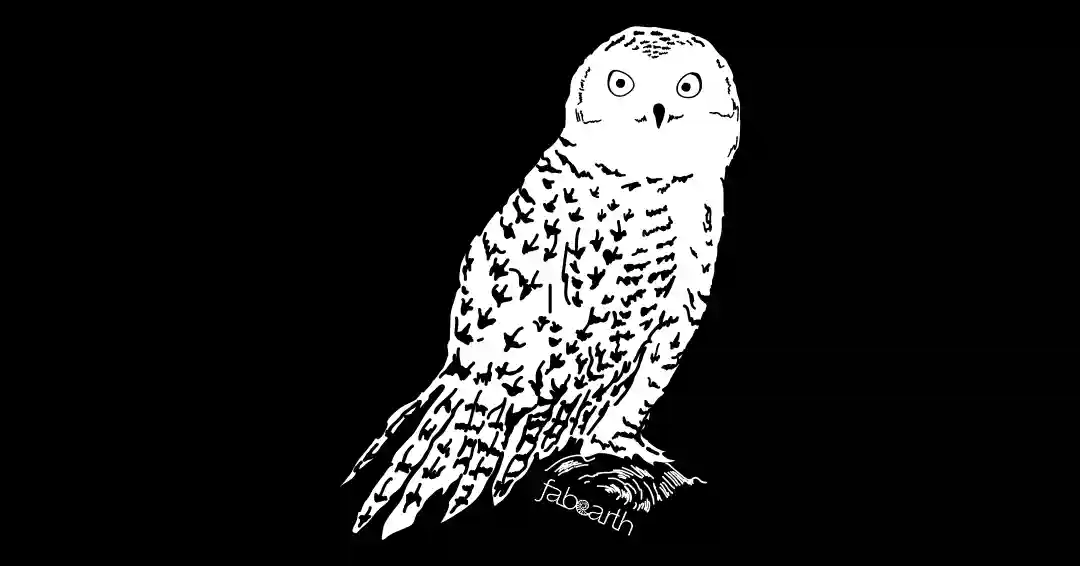
An image is a powerful tool, it not only speaks but makes us think, we recall images and realise their impact later at times. Instead of using a canvas, we decided to let the t-shirt be our medium of talking about protecting our planet. Started these in 2018 with the Snowy Owl (scientific name: Bubo scandiacus), it became important to talk about our scientific understanding about the species and the current conservation status which begins at least concern and ends at extinct. Children and adults ask questions about their habitat, place of origin, their role in biodiversity and their current numbers on the planet. It is these conversations that hopefully like the impact of an image will have some effect on what is happening to our world.
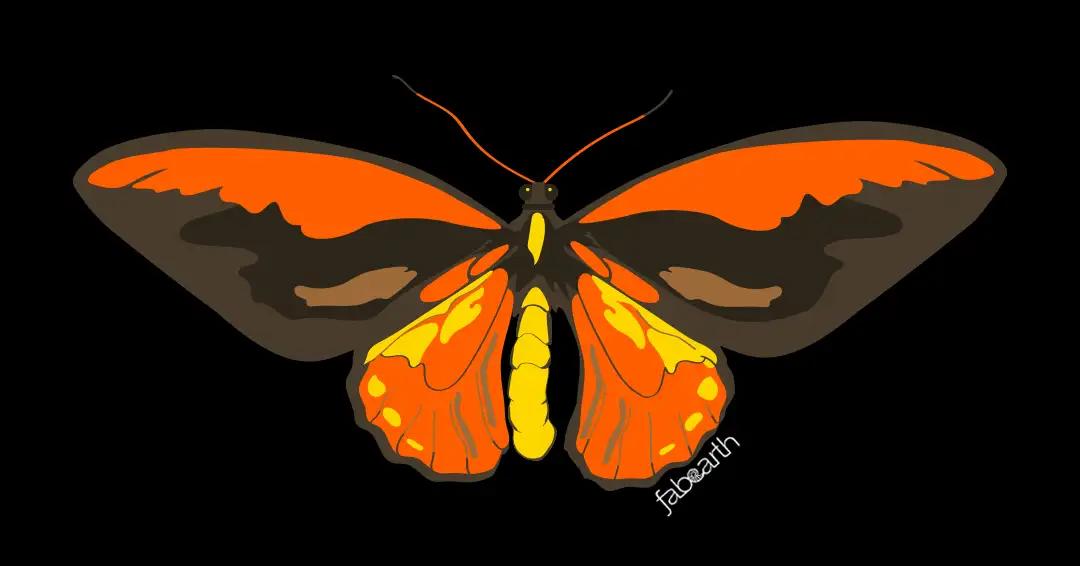
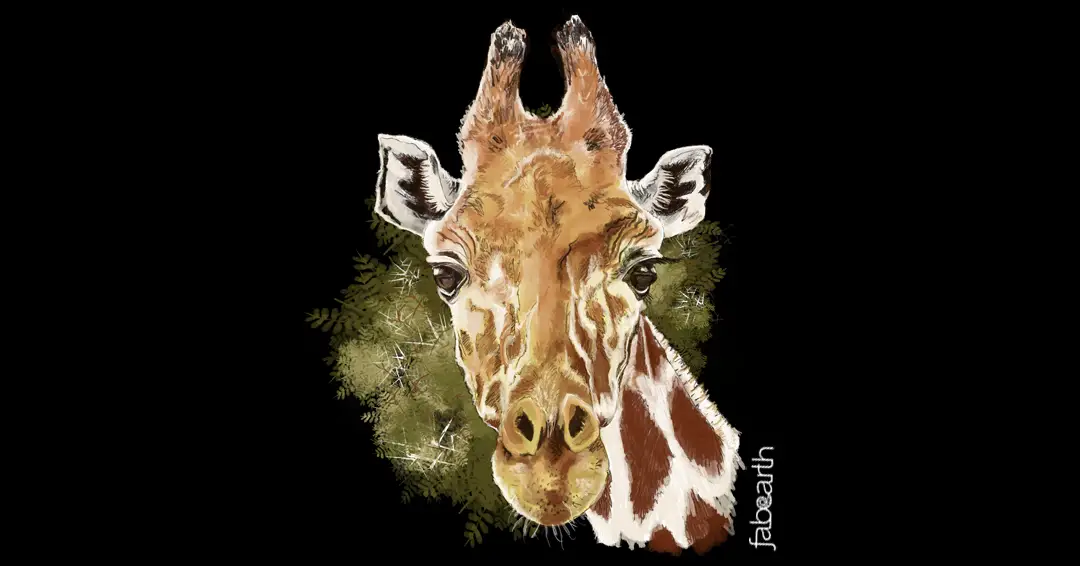
Snowy Owl (scientific name: Bubo scandiacus) is a large bird species of the Arctic, and has a conservation status of Vulnerable.Wallace’s Golden Birdwing (scientific name: Ornithoptera croesus) is named after Alfred Russel Wallace and is Near Threatened.The tallest terrestrial mammal, and the largest ruminant on Earth, the Giraffe (scientific name: Giraffa camelopardalis) resides in the forests and savannas of Africa, instantly recognisable due to its long neck and and spotted coat.
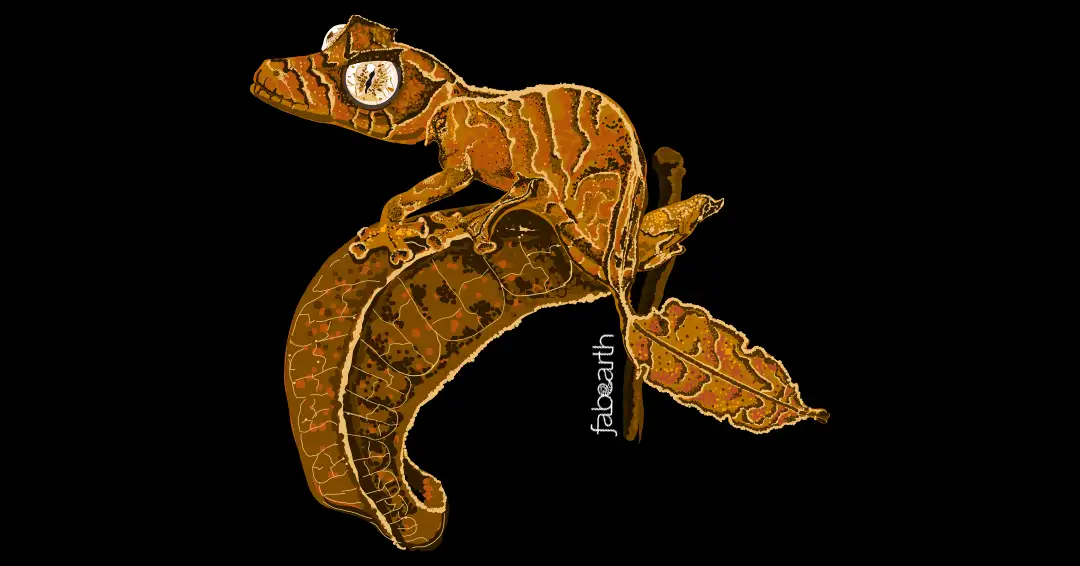
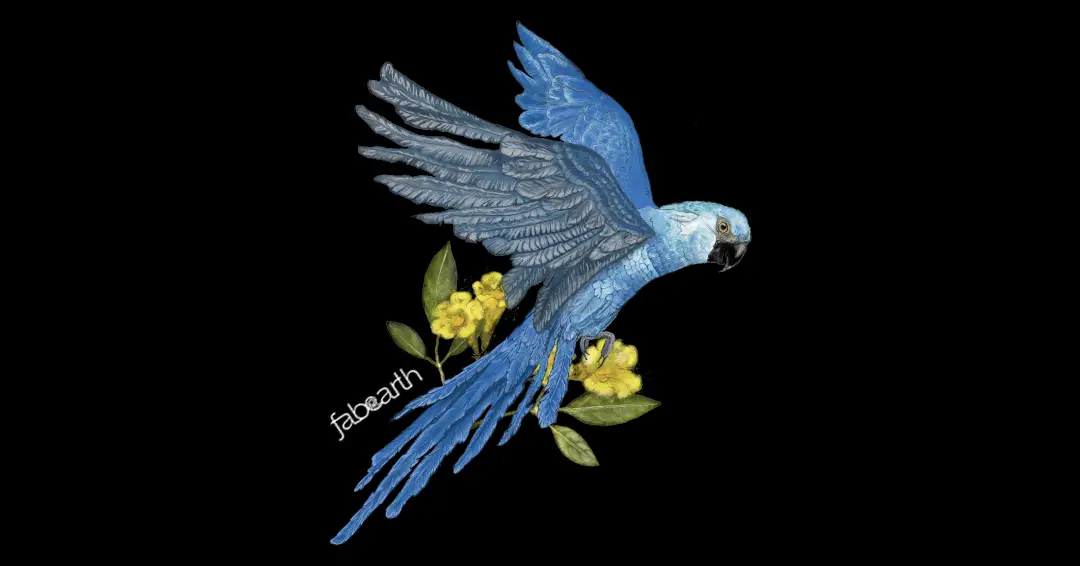
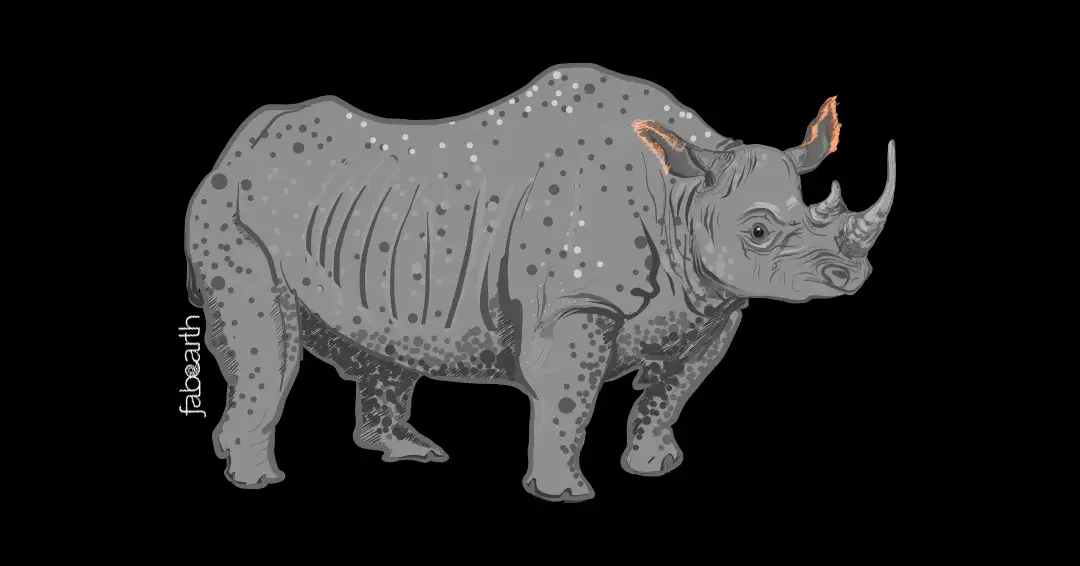
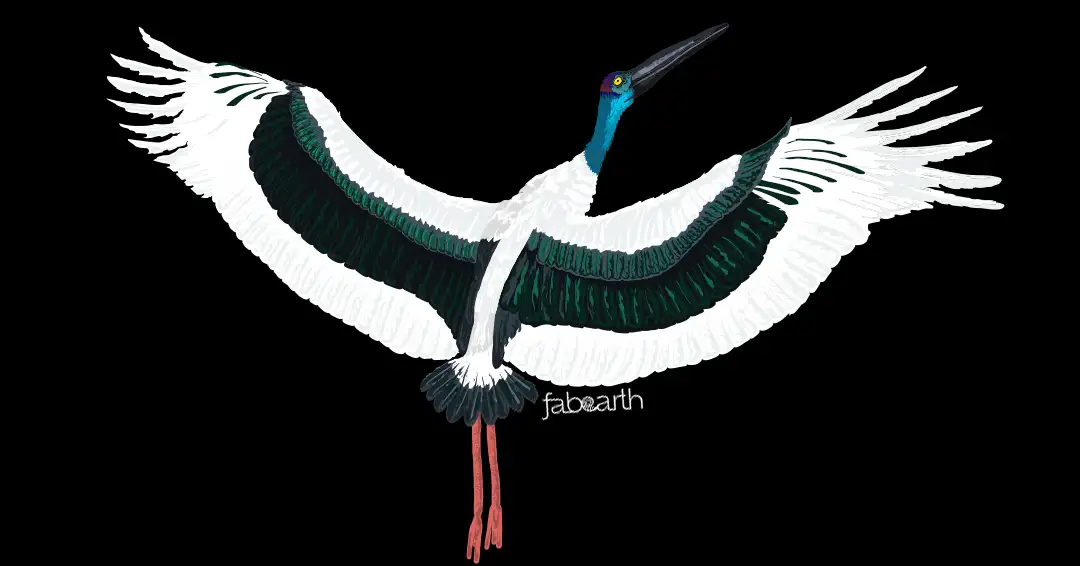
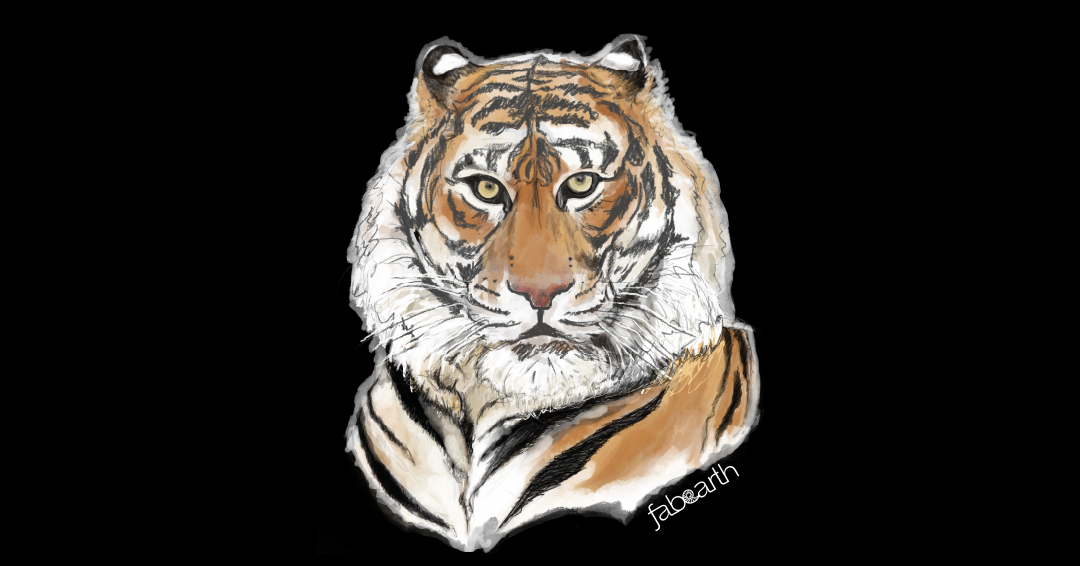
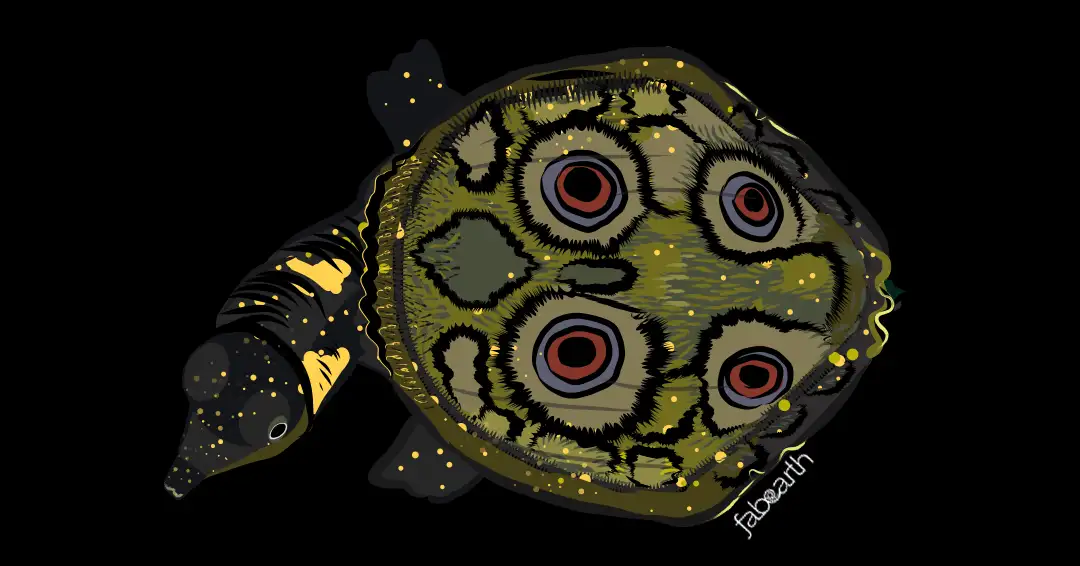
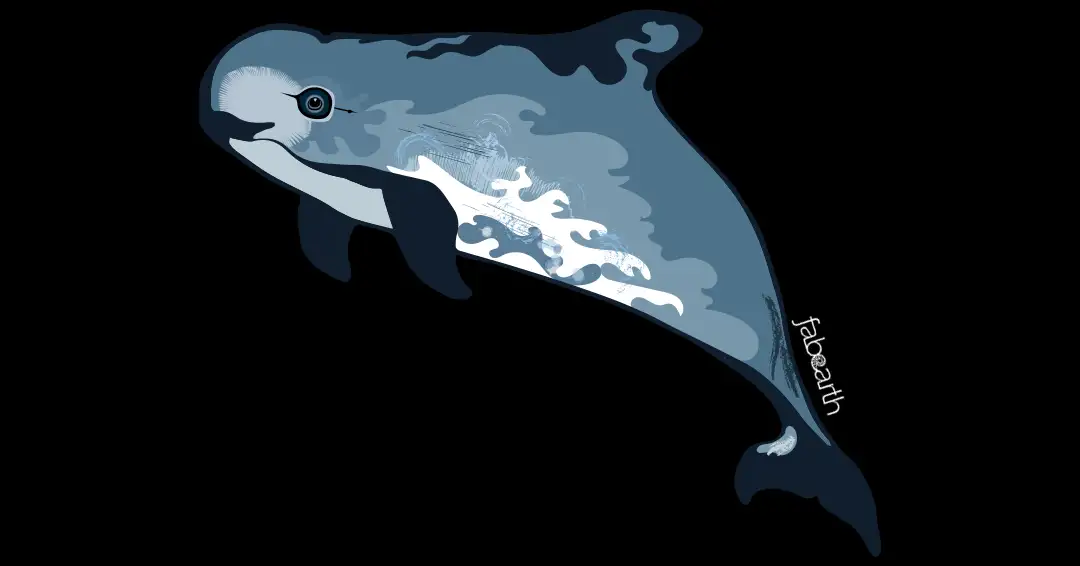
It has a conservation status of Vulnerable.Satanic Leaf-tailed Gecko (scientific name: Uroplatus phantasticus), a nocturnal reptile endemic to Madagascar, is adept at escaping predators.It has a conservation status of Least Concern.Spix’s macaw (scientific name: Cyanopsitta spixii), also known as the little blue macaw, is a macaw species that was endemic to Brazil. It has a conservation status of Extinct in the Wild.Western Black Rhinoceros (scientific name: Diceros bicornis longipes), a subspecies of the Black Rhinoceros family, was formally given a conservation status of Extinct in 2011.Black-necked Stork (scientific name: Ephippiorhynchus asiaticus) is a species of stork endemic to the Indian Subcontinent, Southeast Asia and Australia (the only species of stork in Australia). It has a conservation status of Near Threatened.Royal Bengal Tiger (Panthera tigris tigris) is the most iconic and powerful predator of the Indian subcontinent. Known for its majestic appearance and awe-inspiring presence, it is the national animal of India and Bangladesh. It has a conservation status of Endangered.Black Softshell Turtle (scientific name: Nilssonia nigricans) is a species of fresh water turtle that was originally assumed to be a native of India’s Brahmaputra river. It has a conservation status of Critically Endangered.Vaquita (scientific name: Phocoena sinus), also known as Vaquita Marina, is one of the rarest species of marine mammals in the world. It has a conservation status of Critically Endangered.